|
|
|
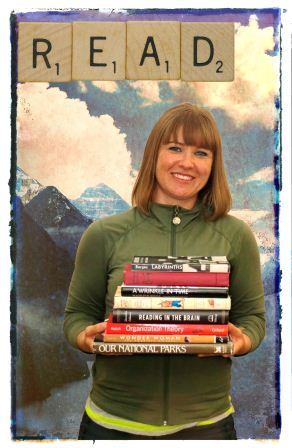
At the end of last school year I convinced my teachers that they should pose with their favorite book, and I would turn them into reading celebrities a la the American Library Association's READ campaign. The software used here was purchased from ALA. One of my goals for the middle school Media Arts class I teach, is to turn my students into reading celebrities as well. We use free photo manipulation software called GIMP. Photoshop is too fancy and expensive for us. GIMP does the job admirably.
1 Comment
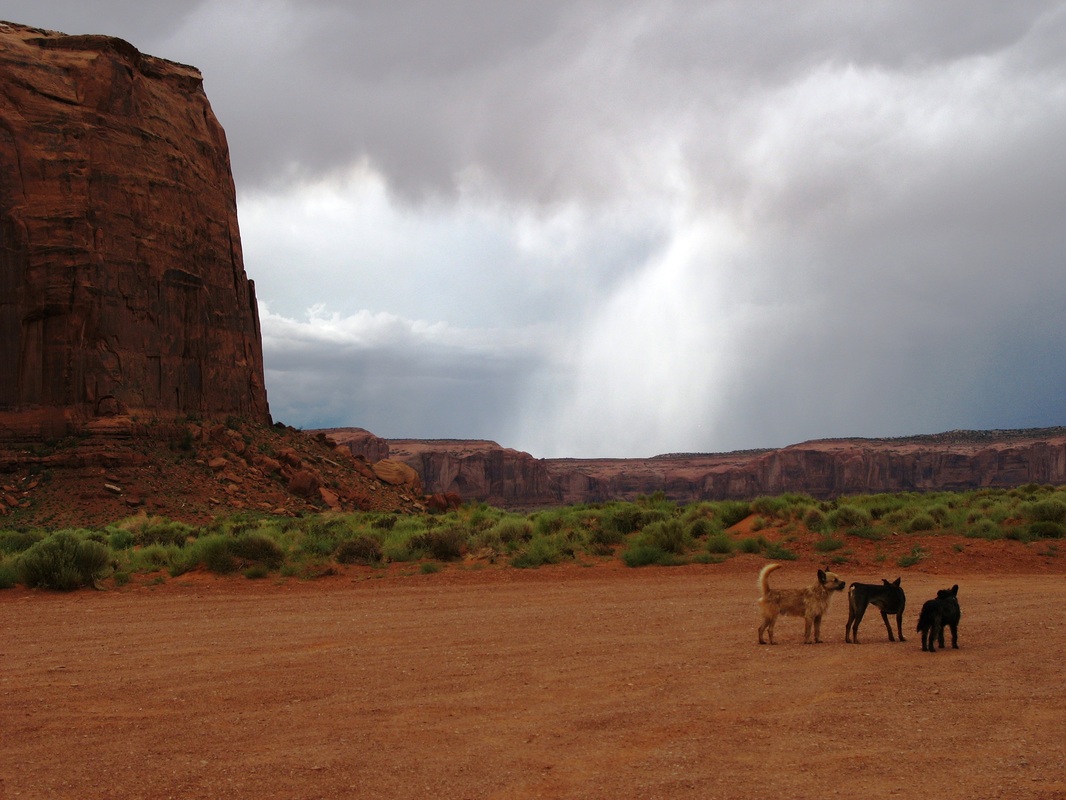
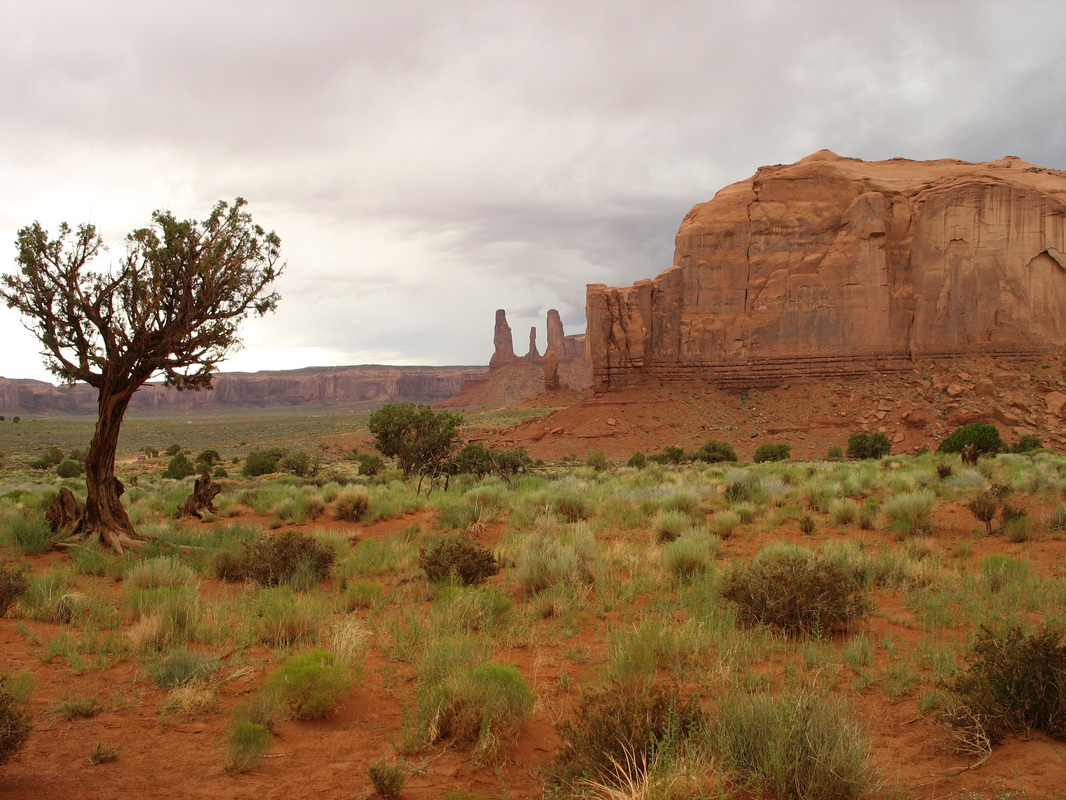
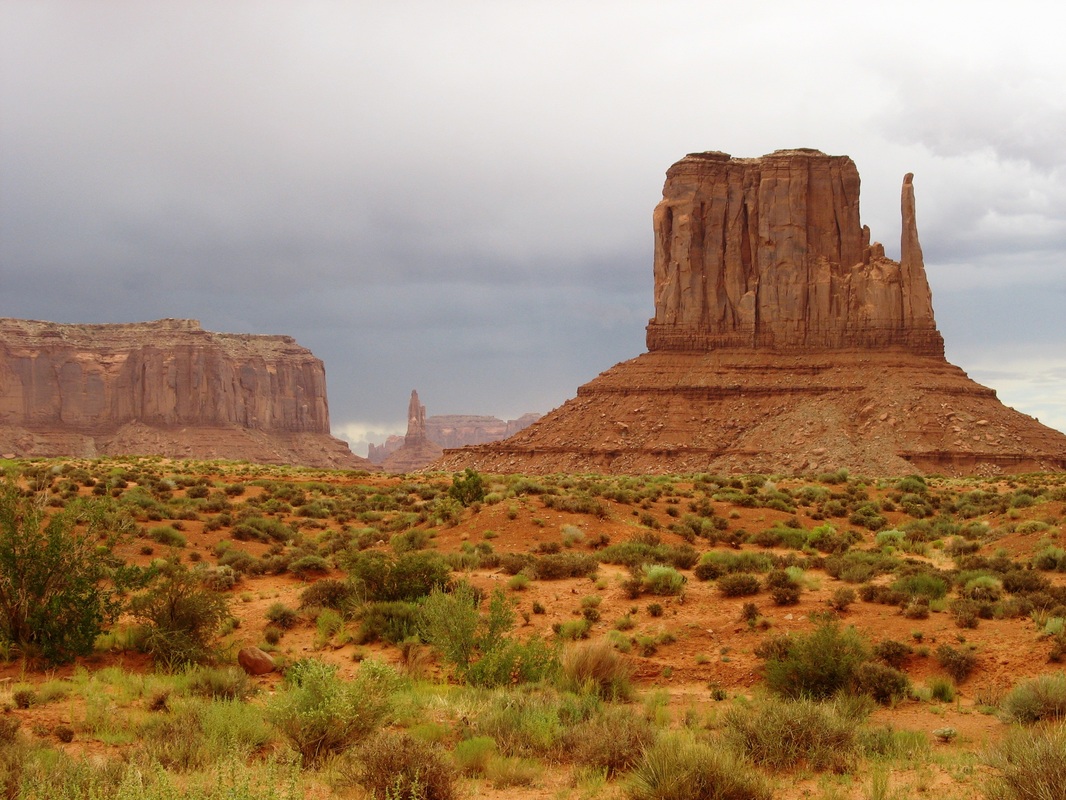
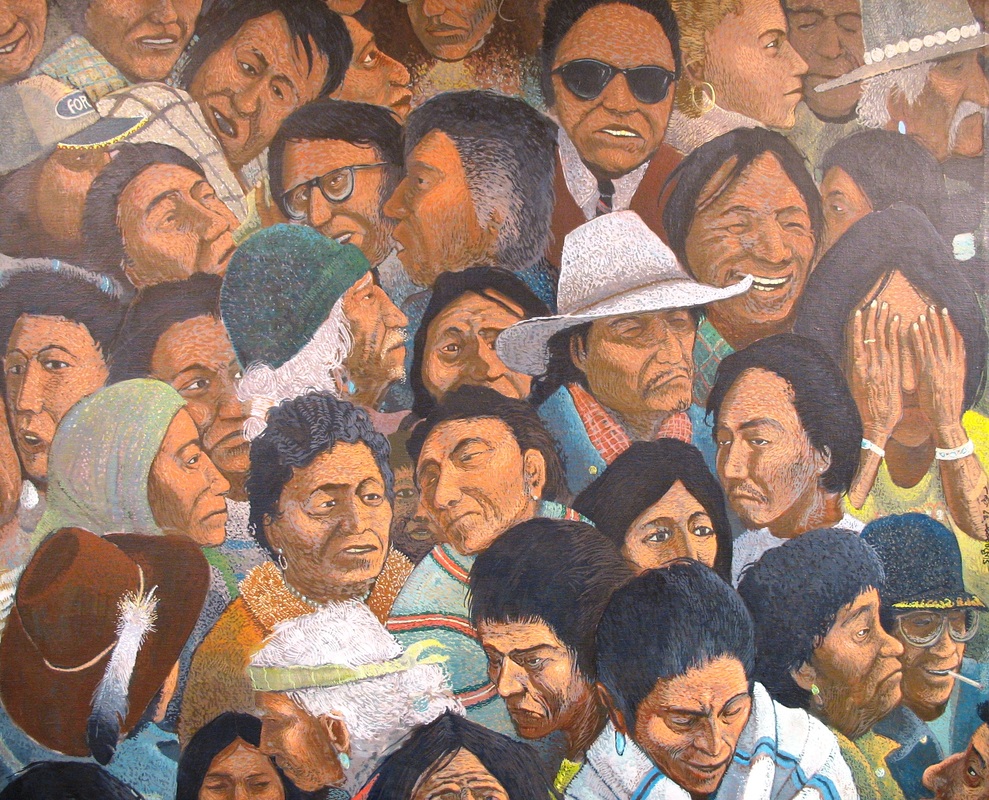
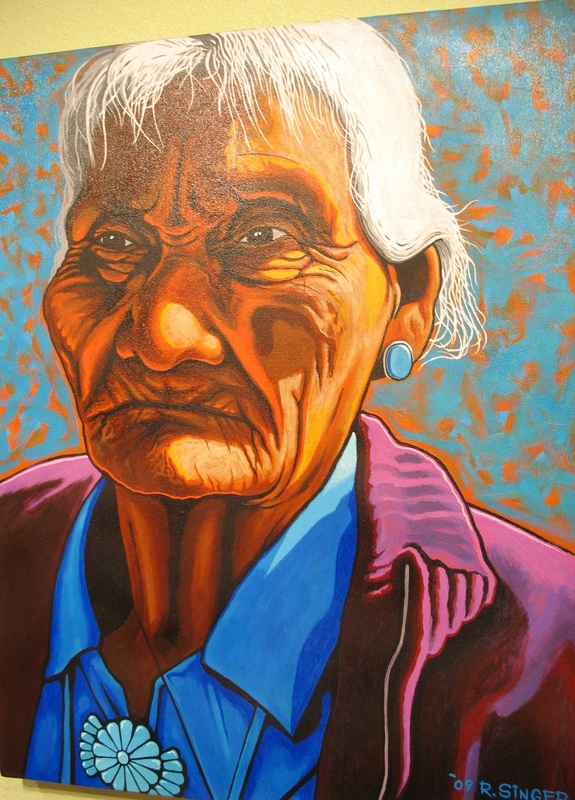
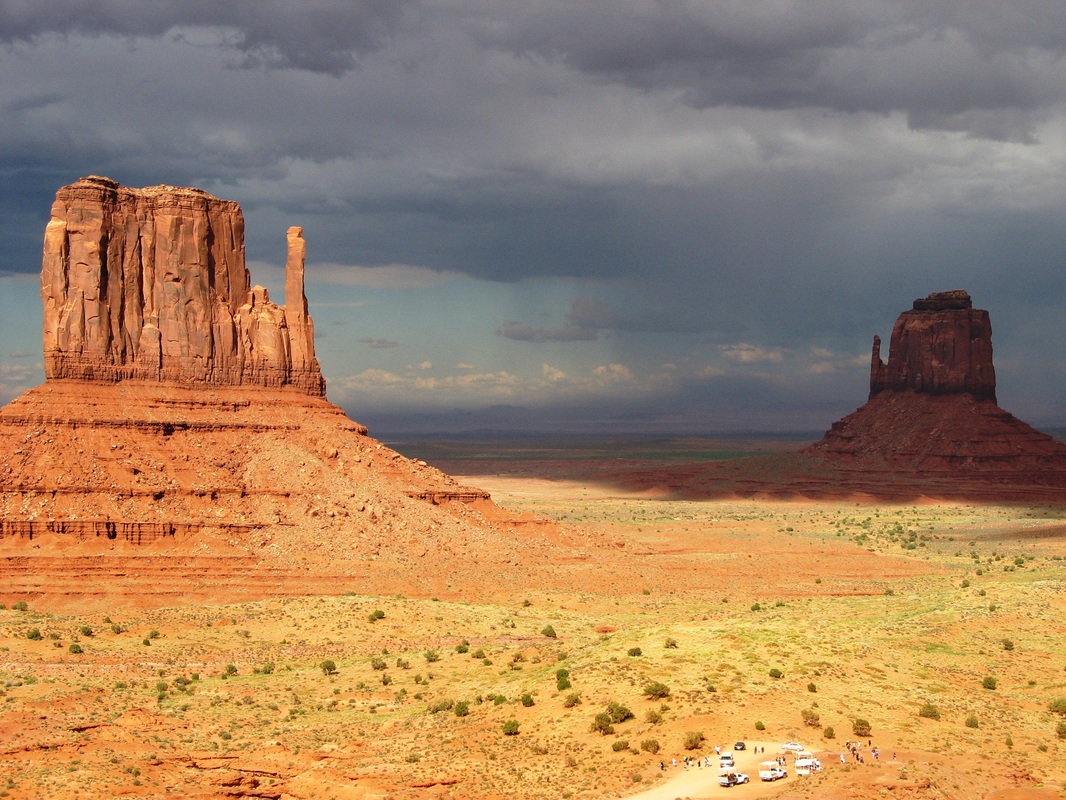
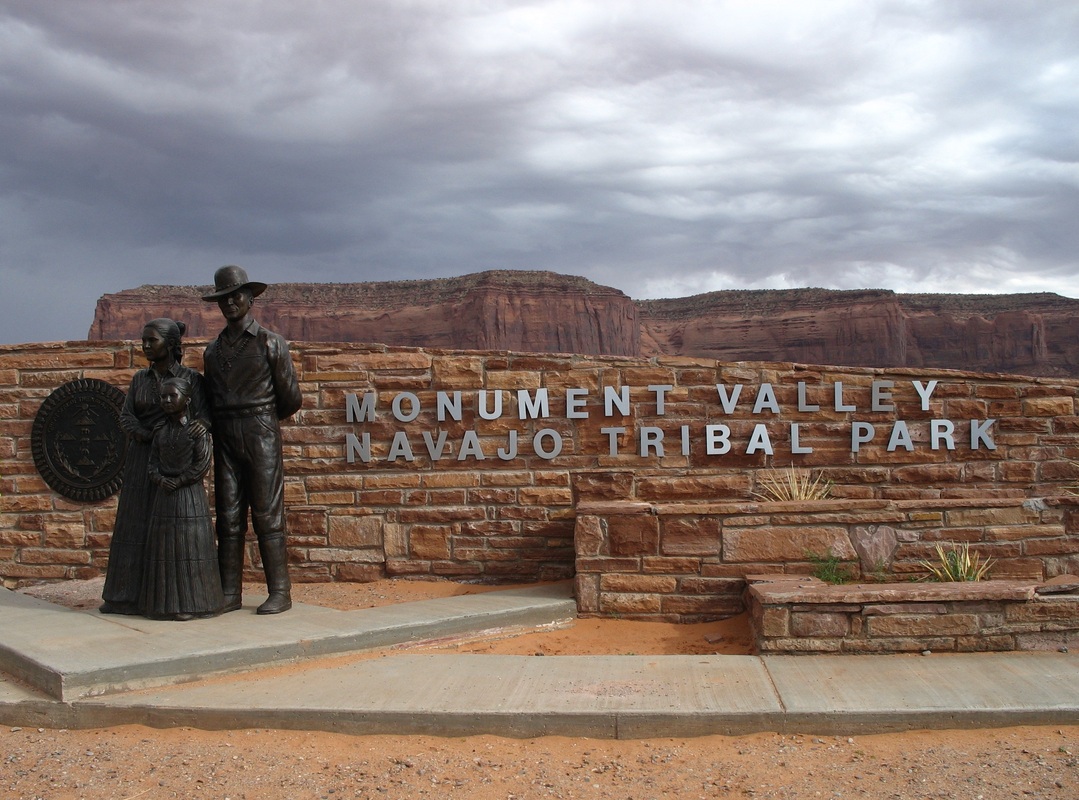
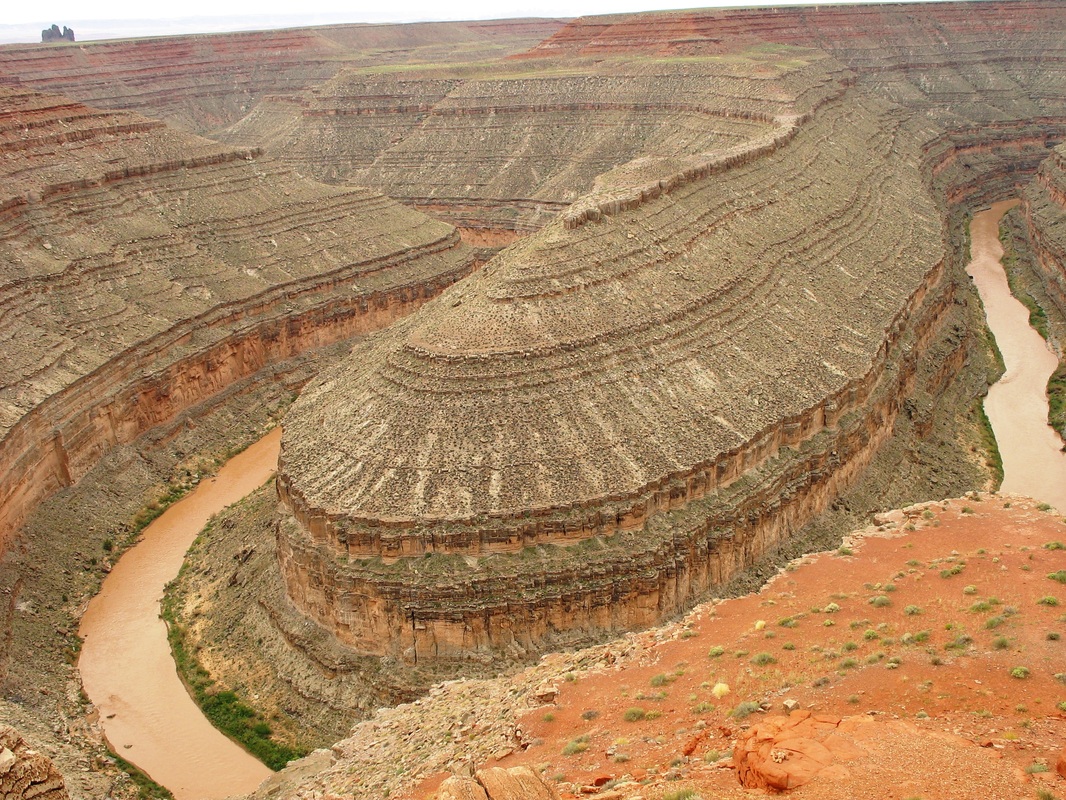
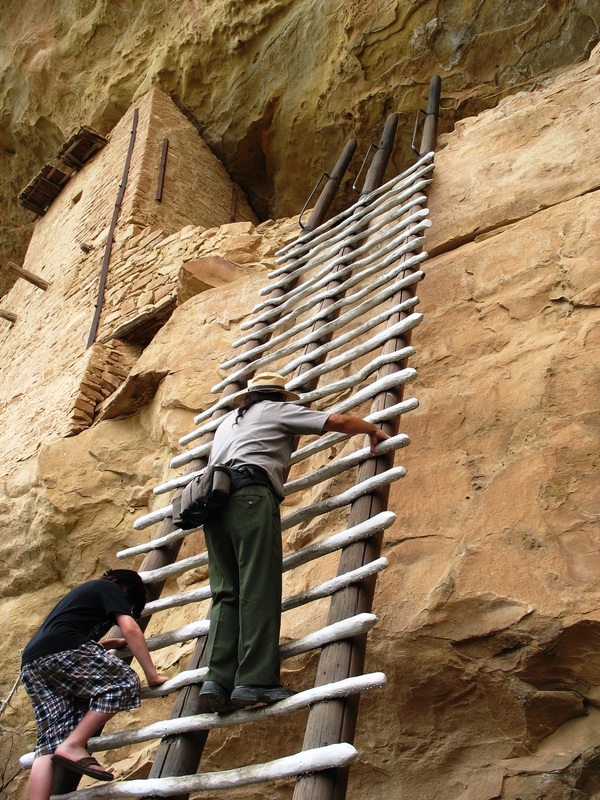
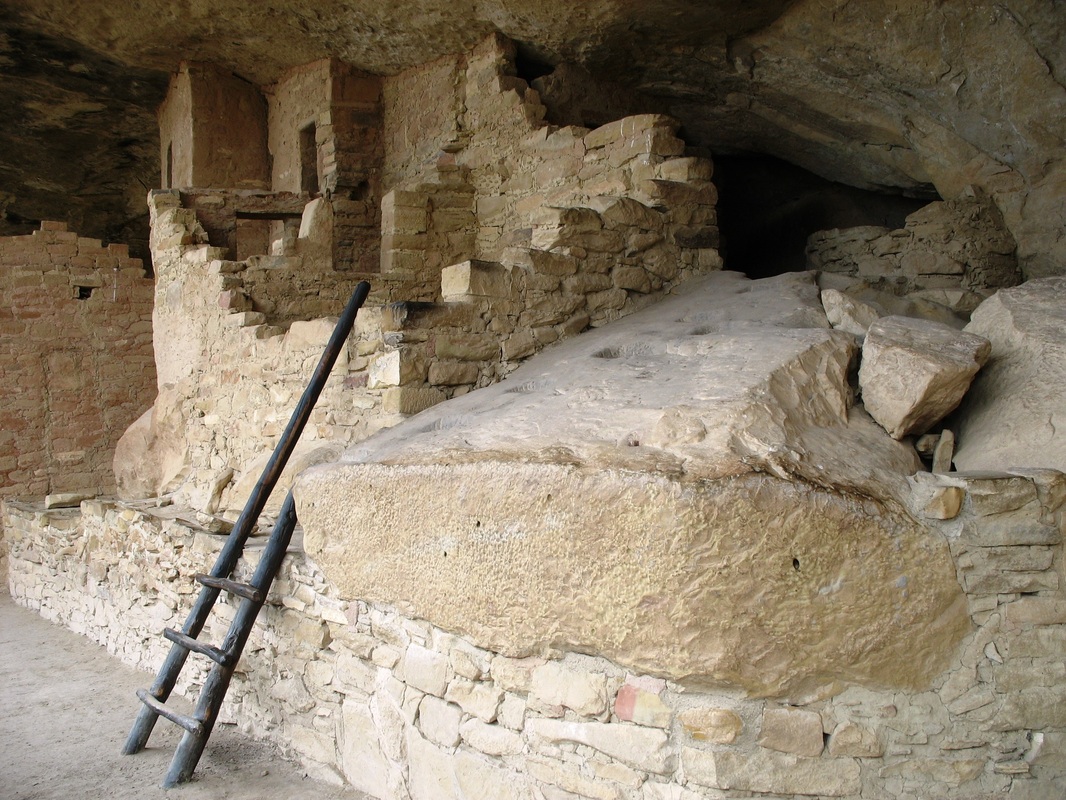
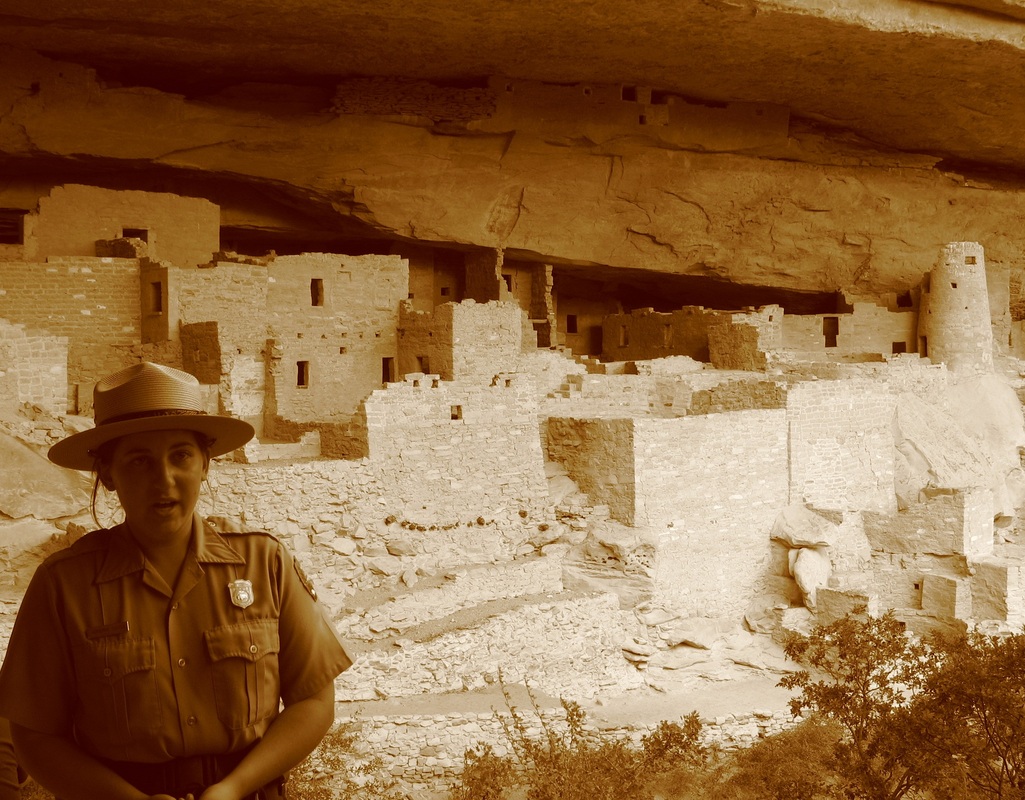
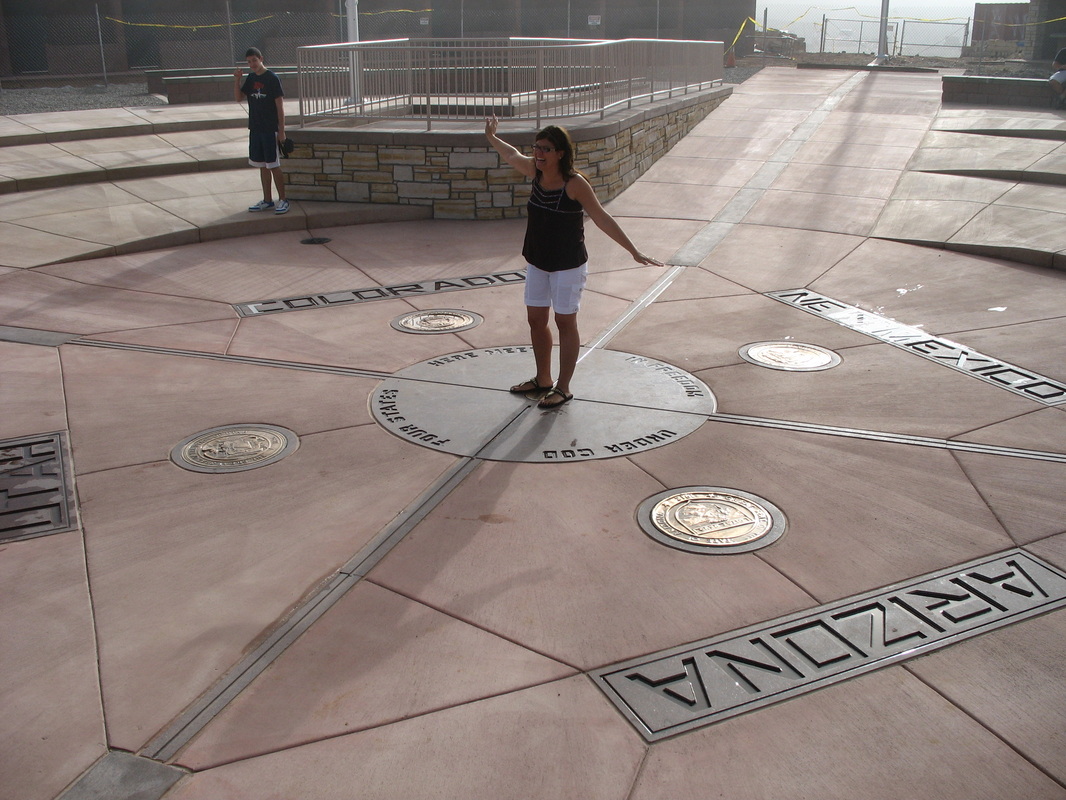
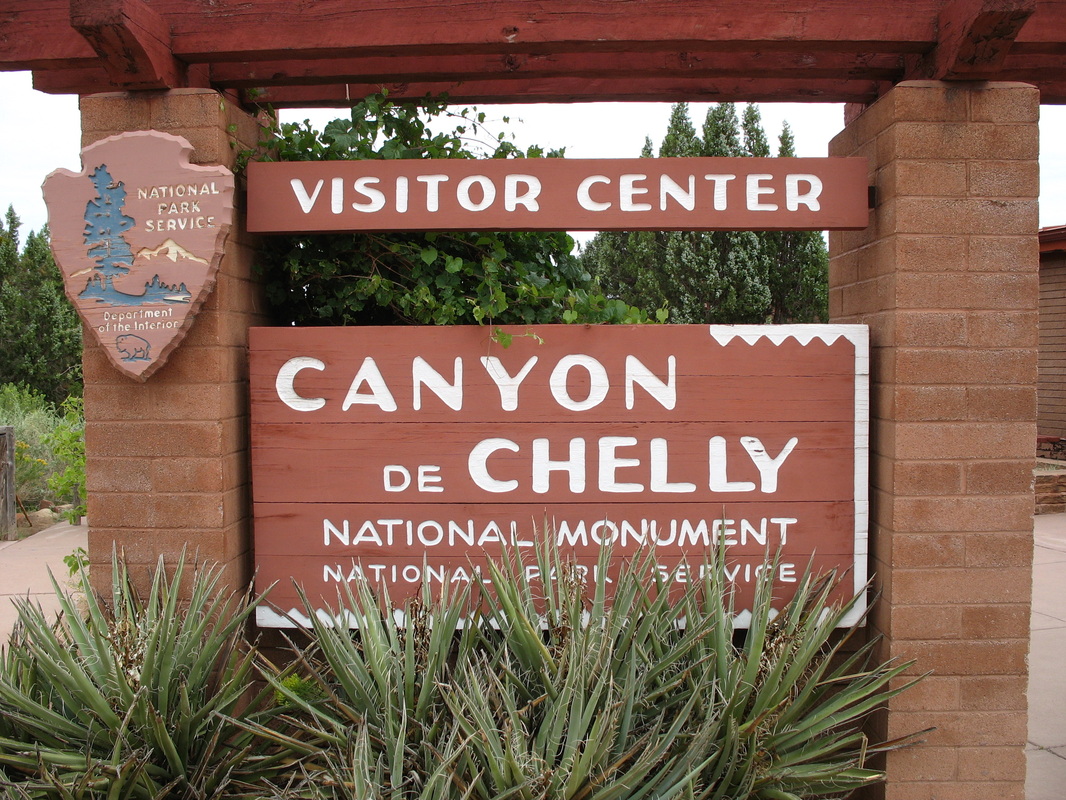
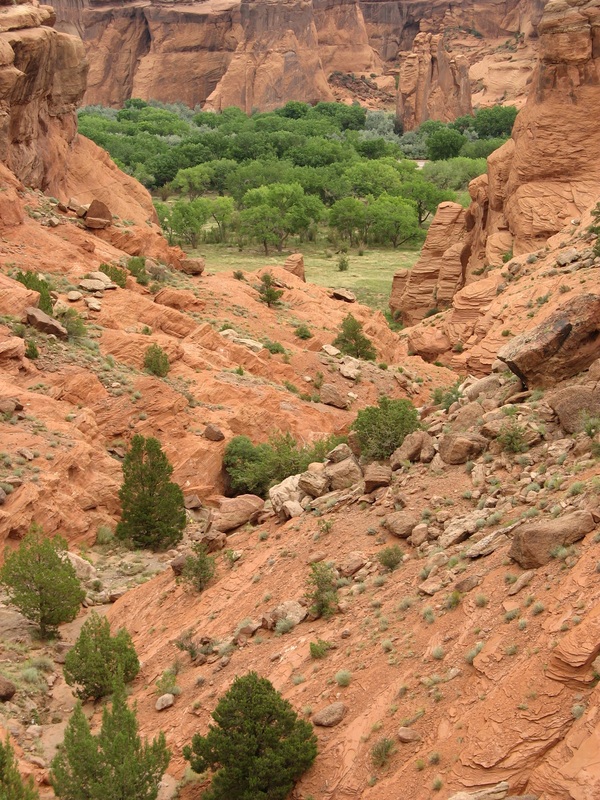
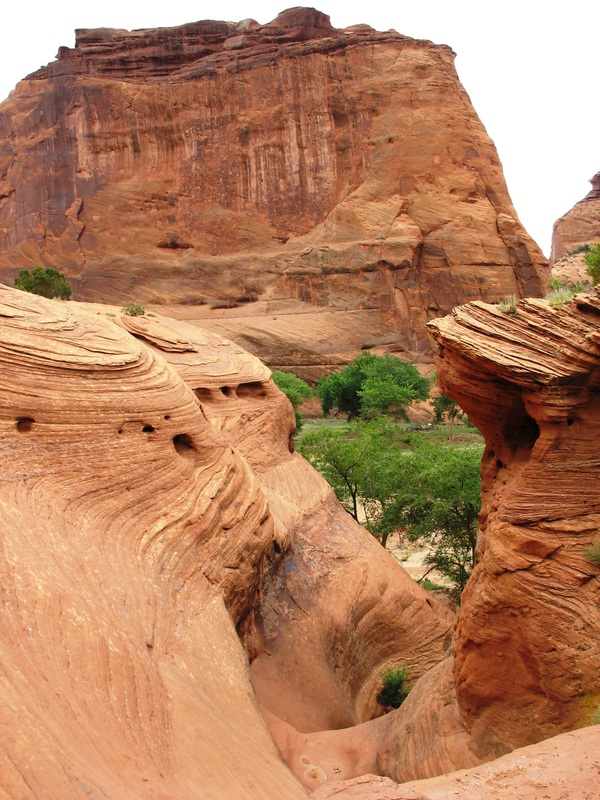
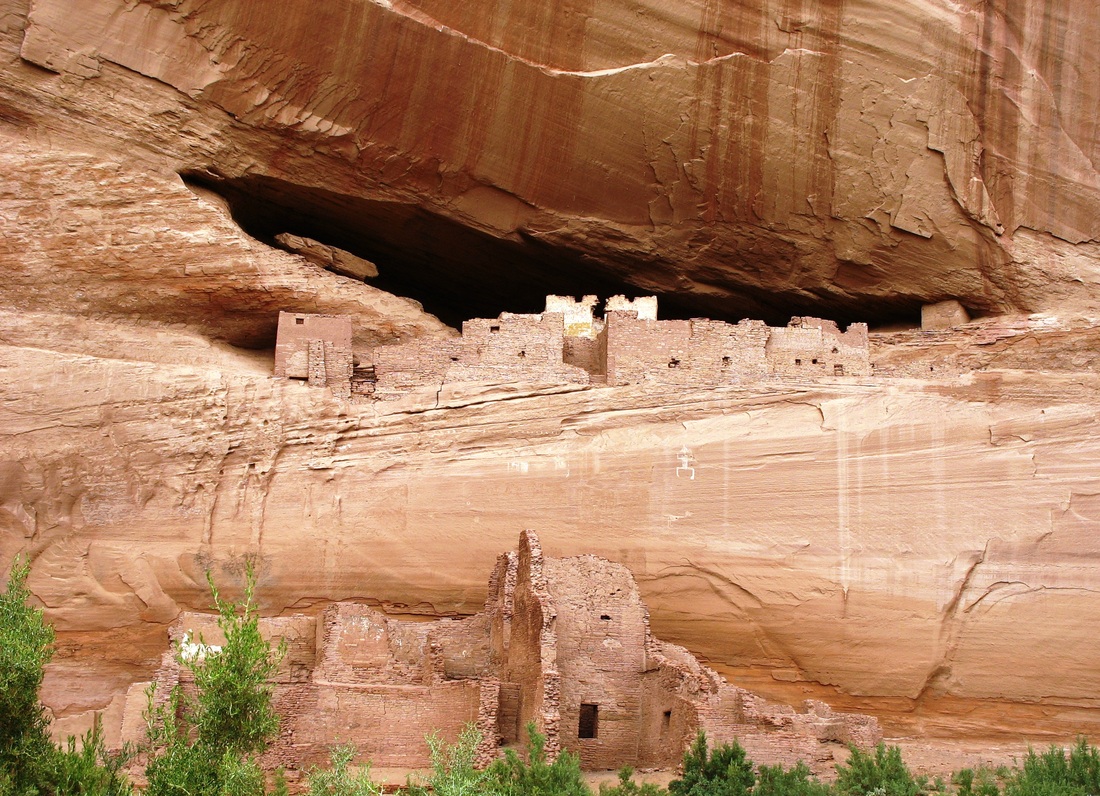
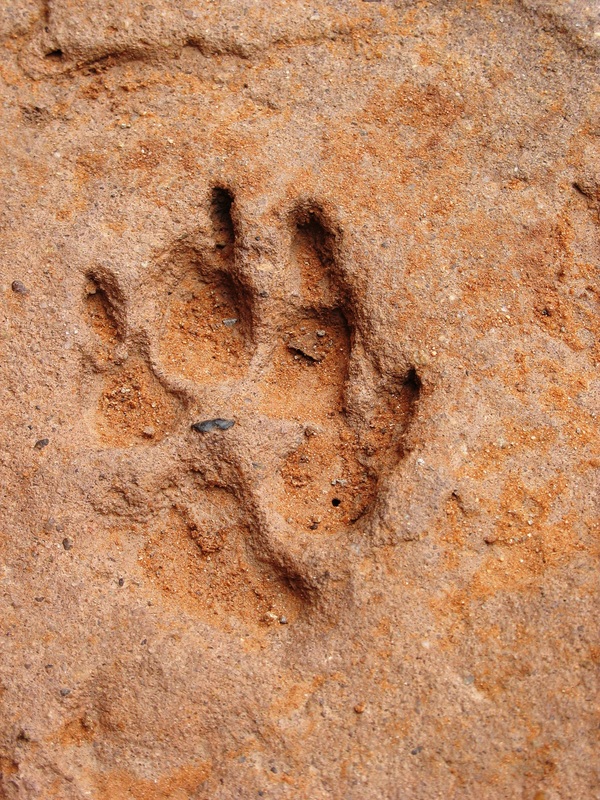
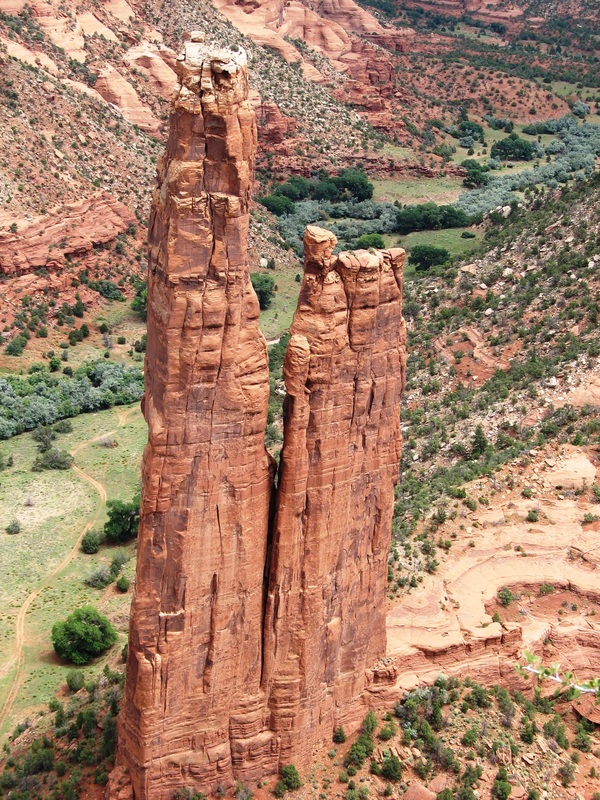
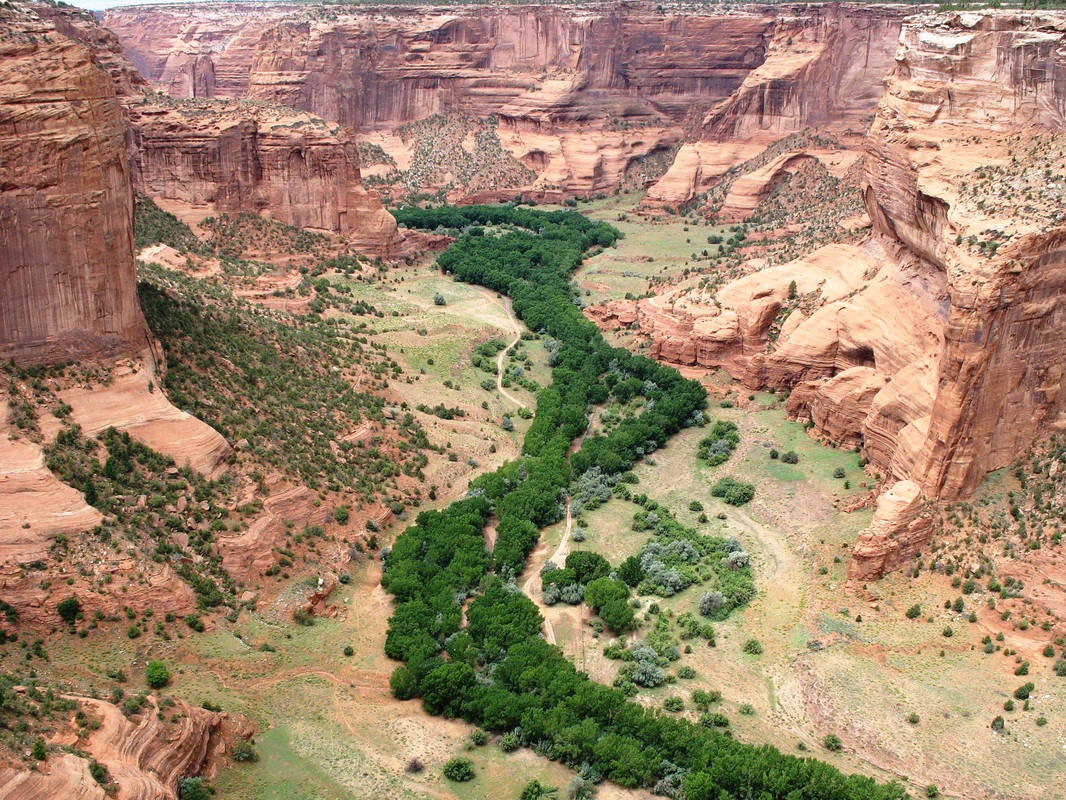
From a trip taken to the Four Corners area in 2011 as a Teacher-Ranger-Teacher. I now teach a Language Arts class to 5th and 6th graders. Their text book's first "challenge text" this year is about Spider Woman. I recently attended a conference about integrated technology sponsored by TechStart and Google. Specifically, I took a series of three day sessions on Scratch, an introductory computer programming software created by MIT.
Below you'll see one of the projects I programmed using Scratch. To run this program click on the Magic8 ball with your mouse. Be sure you have the latest versions of Flash and Java updated and enabled for your browser. Who knows what the future holds? The Magic8 ball knows. K5 in the Northwest: Language Arts Resources for Teaching Informational Texts (Google Doc)
Session Description: Using integrated technology tools like Wall Wisher and ReadWriteThink's Flip Book, we'll look at strategies for students to engage with informational texts (an emphasis in the Common Core Standards). Textual resources will focus on themes important to the Northwest: salmon, trees, geology, conservation, Pacific Northwest Native Americans, Lewis and Clark, and the Oregon Trail. Booklists, lesson plans, and recommended web tools will be provided. Download the CCS app for your mobile device. Summary of ALL standards K-12. Strategies: Supplementary Texts (OPAC): Use your school library! Certified librarians are experts on selecting high quality informational (non-fiction) texts. Match your students to topics they are interested in. Go deeper than your adopted textbooks... Realia (example kit): Get students excited about informational content by bringing in real objects related to the subject matter. Reach your visual and kinesthetic learners. Use virtual tools from the Smithsonian and primary sources from the Oregon History Project to bring topics to life. Traveling trunks from our National Parks (note: some links are not active and some trunks are only available in their state of origin). Try the OSU Extension Service for some awesome science kits. Oregon Coast Aquarium also has some worthwhile resources, THIEVES (lesson plan from readwritethink): Create a set of posters, reminding students what parts of the text to focus on, and what questions to ask of the text. Wall Wisher (website): Create a Wall Wisher site and set up a computer station in your room for students to post their questions about a text you are reading as a class. Direct them to do this quietly, then address questions at the end of a reading. Flip Book (website): Use the THIEVES components to create a Flip Book which students can create themselves or which you can provide to students for guided reading of informational texts. (See Ms. Gapp for an example to use in your classroom) Nature Journaling (scroll to links at the bottom of the page): Bring history, science, language arts, and math together using nature journals. Cross Curricular and Cross Classroom Collaboration : K-5 teachers are better at this than secondary. Avoid teaching subjects in isolation. Partner with other classes on research. Copy and paste your stories in the comment box in reply to this post. Leave your name and first initial of your last name. It is not necessary to include your e-mail. Spelling and grammar count!
Copy and paste your stories in the comment box in reply to this post. Leave your name and first initial of your last name. It is not necessary to include your e-mail. Spelling and grammar count!
Reply to the phrase you see at the end of this video: "There's nothing quite like a real book."
Copy and paste your stories in the comment box in reply to this post. Leave your name and first initial of your last name. It is not necessary to include your e-mail. Spelling and grammar count!
Post your stories in reply to this post. Type your first name and initial of your last name. Not necessary to include your e-mail. Spelling and grammar count!
Links to resources from the Ranger Librarian poster session. Ranger Librarian informational brochure part 1 Ranger Librarian informational brochure part 2 Teacher Ranger Teacher Brochure from NPS A Park Mad Lib Canyon Wonderment brief article published in the OASL Interchange all documents in pdf 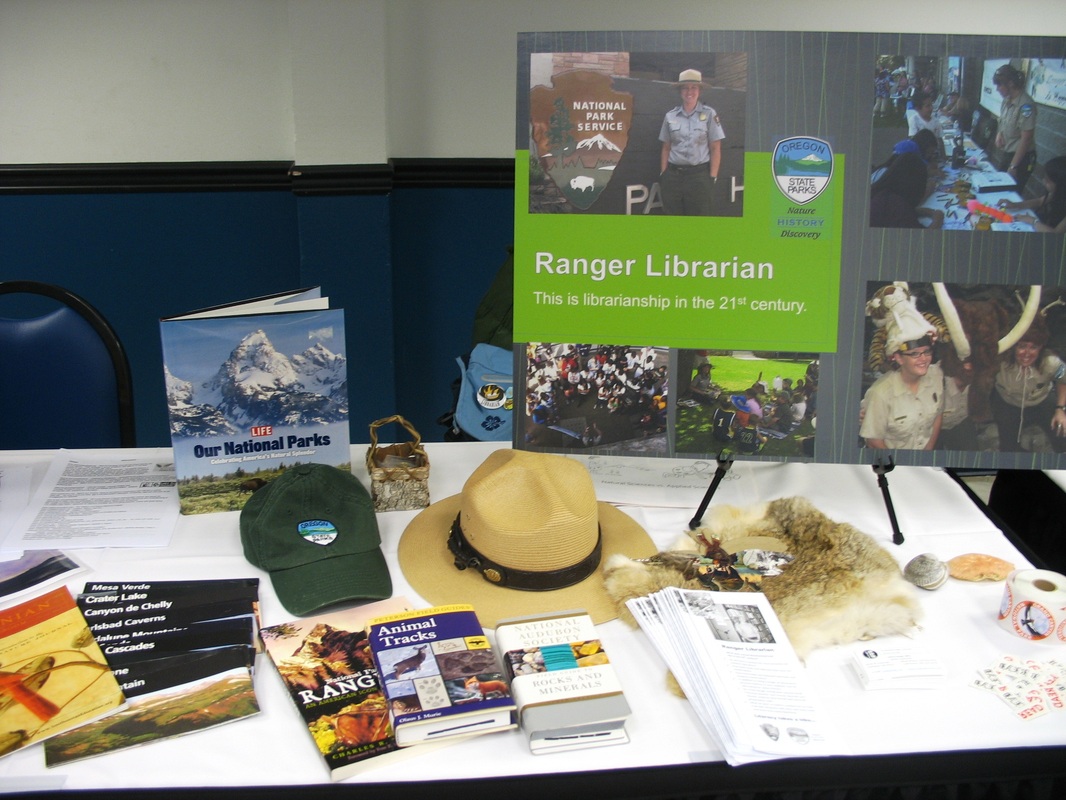 |
Media Blog"I have advocated for 30 years that, in order to preserve our democracy and protect ourselves against demagogues,we should have courses in schools on how to watch TV, how to read newspapers, how to analyze a speech – how to understand the limitations of 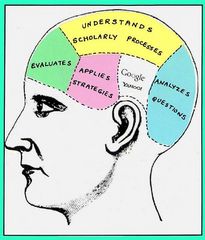 Graphic from the Information
Literacy Project at Beloit College
in Wisconsin.
http://www.beloit.edu/library/infolit/ Quick Links
All
Archives
January 2014
|
 RSS Feed
|
A truly good book teaches me better than to read it. I must soon lay it down, and commence living on its hint. What I began by reading, I must finish by acting. ~Henry David Thoreau
|

|